

As a journalist covering Newcastle United, I was fortunate to report on some big moments at the club.
Over two decades, I documented cup finals, promotions and relegations from press boxes up and down the country.
There were highs and lows on the pitch, but there was always as much going on off the field at St James’ Park.
Not long after I started covering the club, when the late, great Sir Bobby Robson was manager, it qualified for the Champions League.
But European football was not on the agenda for most of Mike Ashley’s time as owner, and the memorable 2011/12 season, which delivered Europa League football through a fifth-placed finish, was an outlier.
In the summer of 2011, I was in the USA for a pre-season tour where everything that could go wrong seemingly did (and Alan Pardew boiled over in a bagel shop), but the team, inspired by Hatem Ben Arfa’s individual brilliance and calmly led by Fabricio Coloccini, got it right collectively on the pitch.
But, more often than not, the club was competing to stay up in the Ashley years.
The relegation battles, while newsy for journalists, were not much fun for anyone, and, for many, many years, what supporters wanted was news of a successful takeover by ambitious new owners.
And, eventually, that story was written.
This week marked the five-year anniversary of one of the biggest stories I reported on.
It started like any other day, but by the time the sun set on October 7, 2021, the club was under new ownership.
And, as thousands gathered at St James’ Park to celebrate, I was one of the journalists invited to the Jesmond Dene House to speak to Amanda Staveley, club’s new co-owner, at Jesmond Dene House.
Fellow co-owners, Mehrdad Ghodoussi, Staveley’s husband, and Jamie Reuben were there too.


Staveley wanted to visit St James’ Park that night, but she was advised against it for safety reasons given the huge number of supporters celebrating outside.
She would have to wait to get the keys. Instead, she did interview after interview at the hotel, outlining her vision for the club, which was 80%-owned by Saudi Arabia’s Public Investment Fund following the takeover.
Ashley, of course, never spoke to the print journalists who reported on the club, so speaking to one of the new owners on day one was itself a revelation.
Communication is so important. I had missed the often-robust exchanges that my colleagues and myself used to have with the late Freddy Shepherd, who had been chairman of the club up to Ashley’s takeover.
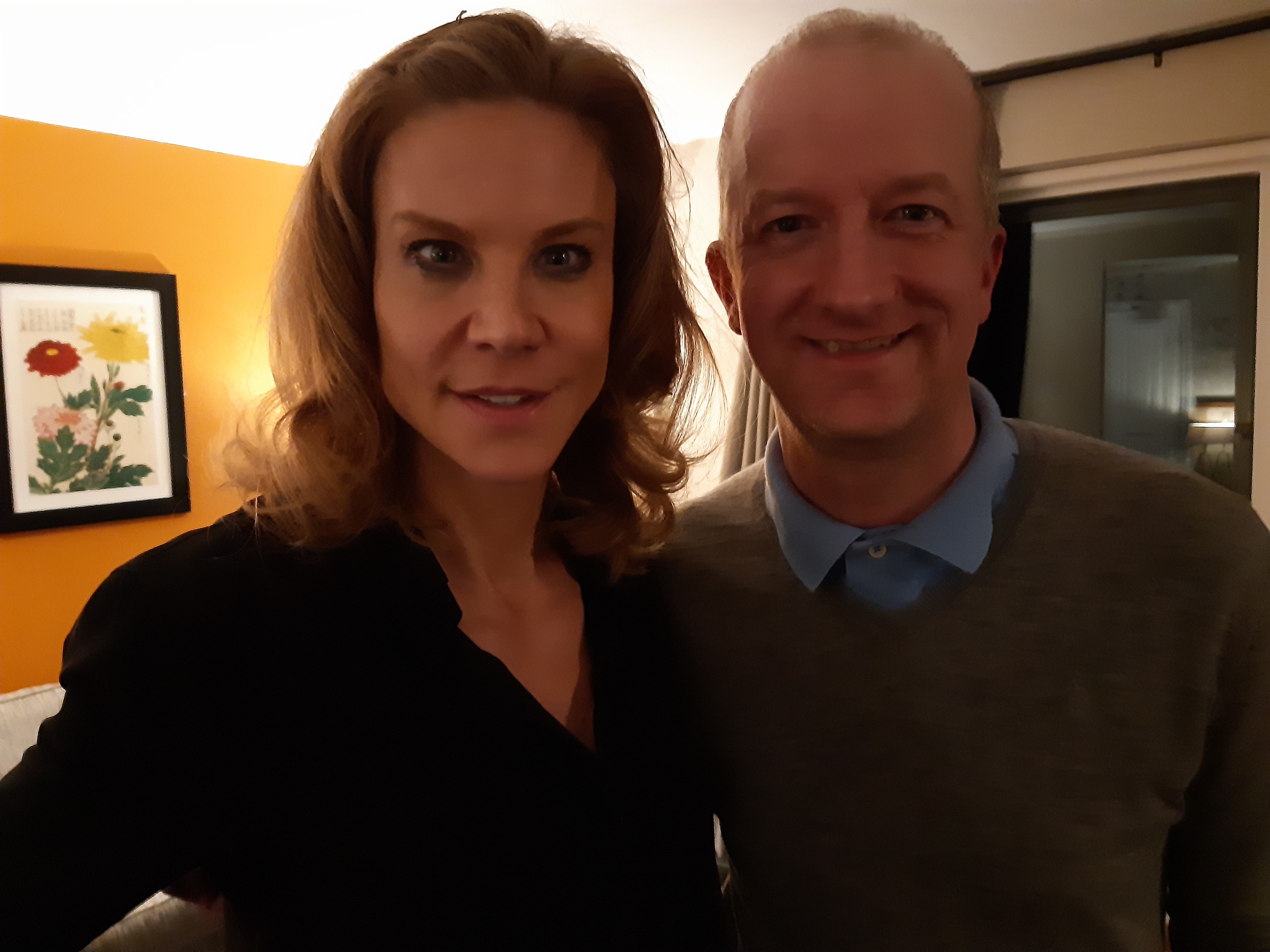
Staveley made it very clear that communication was a priority for her following the takeover.
Once I had asked my last question, I showed Staveley photographs posted on social media of fans outside the stadium, and she was stunned by the sheer numbers of supporters celebrating the takeover.
Those scenes were a reminder, if one was needed, just why she had never given up on the deal.
“You don’t feel you deserve that,” she said at the time. “You understand the responsibility you’ve taken on, and we’re not going to let people down, but also I’m not going to make promises I can’t keep too.”
Staveley, however, had just taken over a husk of a club, as it had been hollowed out and streamlined over the previous 14 years. Commercial revenues had stagnated.
The focus is always on spending on players, but investment was needed in all sorts of areas, which was something Staveley stressed just hours after the takeover was completed.
Newcastle United’s comeback kid

One player was almost forgotten amid the comings and goings at Newcastle United this summer.
“We’ve got to get investment into the academy, investment into the training ground, into players,” she said.
“We appreciate the gem we’re custodians of, and we’ll make sure that every single part of this club is dusted down, and we’ll invest in all levels. We’ve got to. It’s critical.
“It can’t happen without that… we don’t want to make knee-jerk decisions, but we know we’ll be investing very heavily over the next few years.”
Staveley had taken on a long-term project, but the early investment in players – and incoming head coach Eddie Howe and his staff – paid dividends.
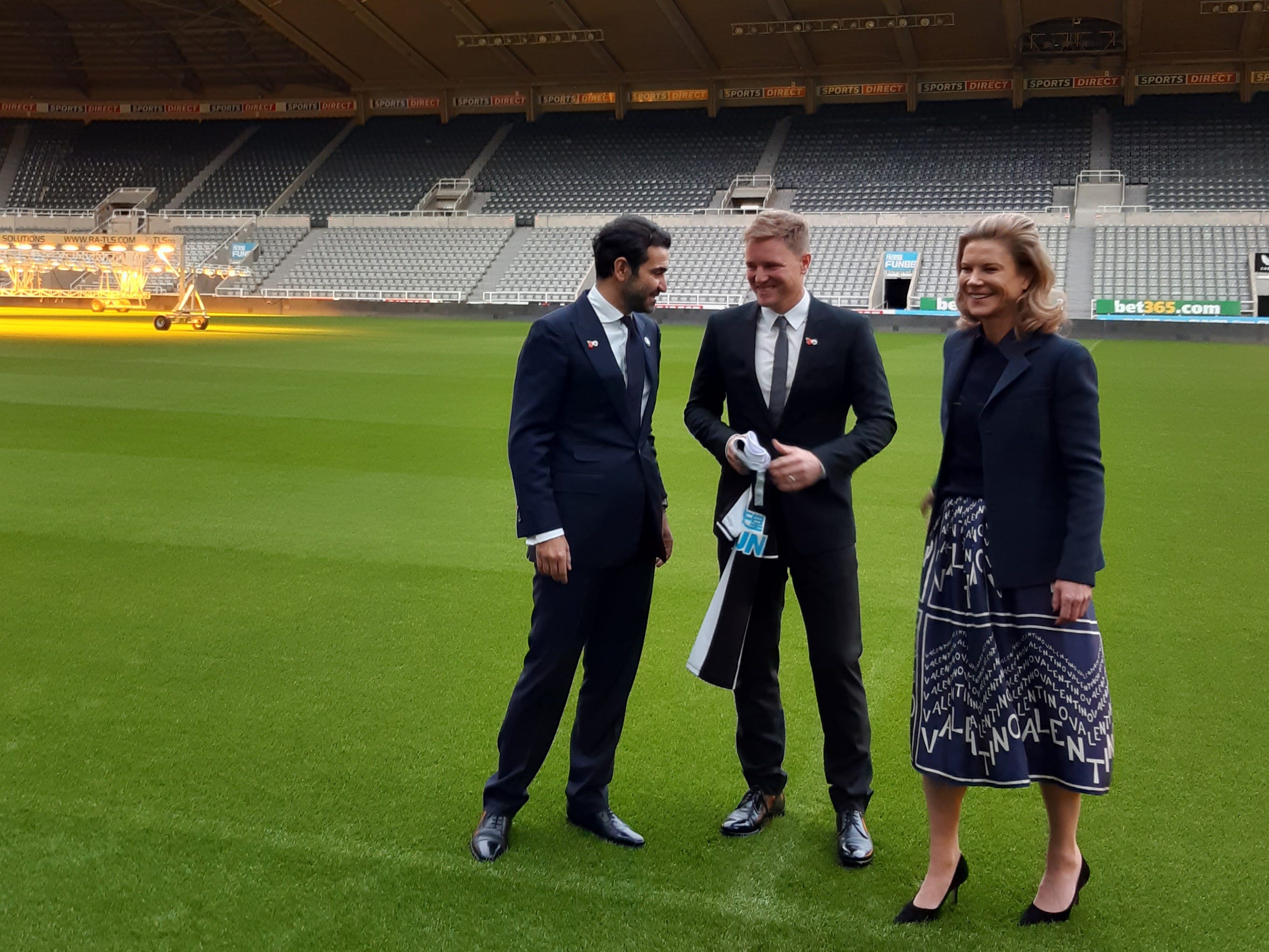
Nobody outside St James’ Park that night would have envisaged a first domestic trophy in 60 years – or two Champions League campaigns – in the first half-decade under new ownership given that winless Newcastle were 19th in the Premier League at the time.
In a very short space of time, Howe built a team which looked capable of establishing itself in the top four.
That side has since been broken up.
Domestic and European financial rules, which disadvantage ambitious, well-funded clubs, played a part in the departures of Alexander Isak, Bruno Guimaraes, Sandro Tonali, Anthony Gordon, Elliot Anderson and Yankuba Minteh.
Kieran Trippier, the all-important first post-takeover signing, also left this summer.
Chief executive officer David Hopkinson spoke about “Newcastle 2.0” after Howe was succeeded by Mathias Jaissle in July 31.
Staveley – who left the club in 2024 after presiding over a remarkable on-pitch transformation – had stressed that it was a long-term project on day one, and the biggest challenges still lie ahead.
As Jaissle rebuilds the team, fans are waiting for news on a much bigger building job, with the club still assessing options for an expanded St James’ Park and a new stadium.
And the question now is where will the club be, on and off the pitch, in five years time.